
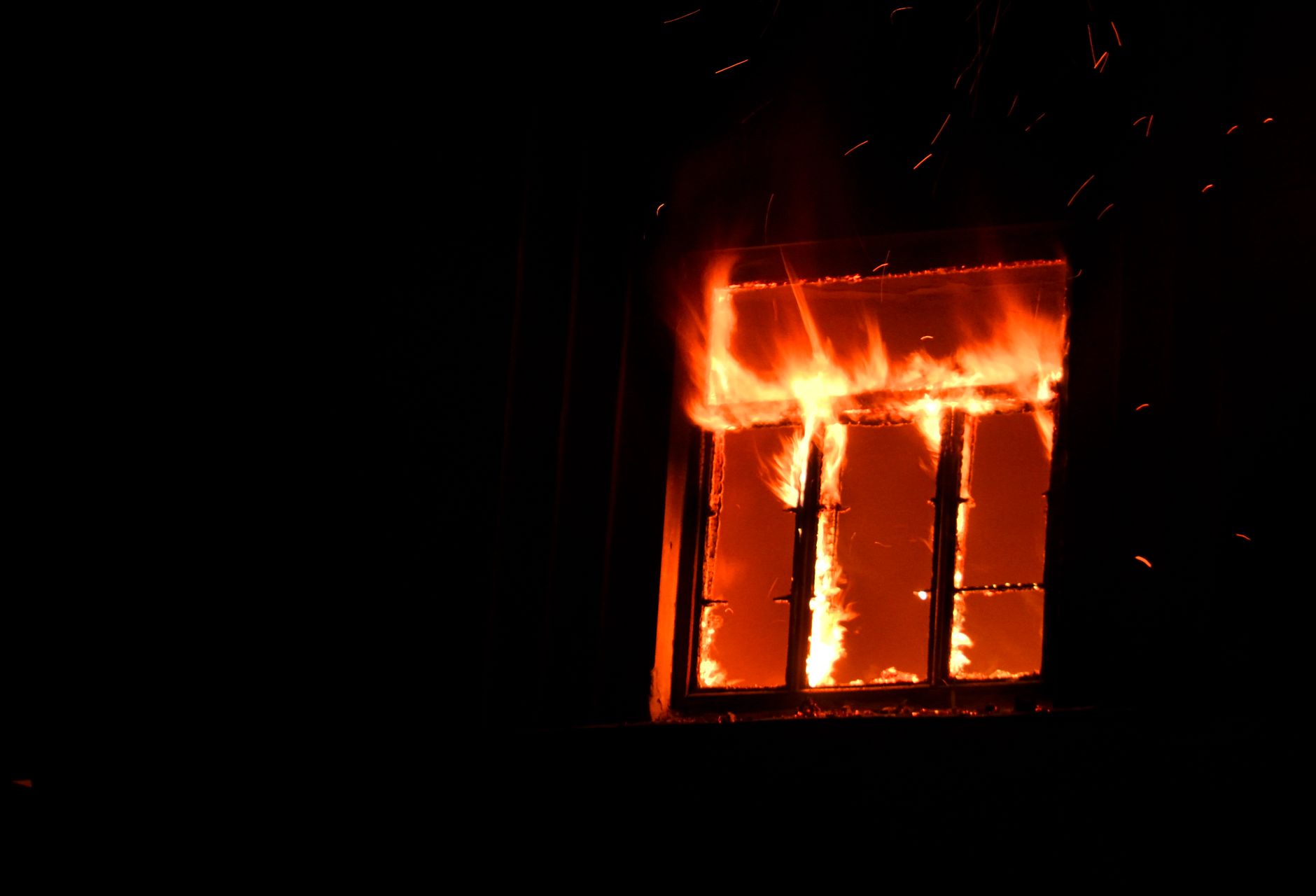
Arson charges in Australia can arise from a single incident and carry consequences that range from community-based orders to many years in prison. Whether the alleged conduct involved a vehicle, a building, or bushland, the charge is treated as a grave criminal matter by courts across every jurisdiction. Knowing what the law requires, what defences exist, and why specialist legal representation matters is essential for anyone facing this kind of allegation.
What is arson under Australian law?
Arson is broadly defined as the intentional or reckless destruction of property by fire. Each state and territory has its own legislation setting out the offence, but the core elements are consistent: there must be a fire, property must have been damaged or destroyed, and the accused must have caused the fire either deliberately or with reckless indifference to the consequences. In New South Wales, for example, the offence is captured under the Crimes Act 1900, while Victoria prosecutes arson under the Crimes Act 1958. The Australian Capital Territory, Queensland, Western Australia, and South Australia each have their own parallel provisions.
Prosecutors must establish beyond a reasonable doubt that the accused started or contributed to the fire and that they did so intentionally or recklessly. Where fire is lit to damage insured property with the intention of making a fraudulent claim, the matter may also attract fraud charges in Australia, compounding the potential penalties significantly.
Categories of the offence and potential penalties
Australian law generally distinguishes between arson of property and more aggravated forms of the offence. The key categories include:
- Simple arson: Intentionally or recklessly destroying or damaging property by fire without any aggravating circumstances. Penalties vary by jurisdiction but commonly range from 10 to 14 years' imprisonment at the higher end.
- Arson with intent to injure or defraud: Where the fire is lit to harm another person or to obtain a financial benefit, courts treat the matter more seriously. Maximum sentences in some jurisdictions reach 25 years.
- Bushfire arson: Deliberately lighting a fire during a total fire ban or in circumstances likely to endanger life or property on a wide scale. This category attracts some of the harshest penalties in the entire property offences framework, given the catastrophic potential for loss of life.
- Arson causing death: Where a person dies as a result of the fire, the accused may face charges that overlap with manslaughter or, in some circumstances, more serious homicide offences. The law on manslaughter charges in Australia can apply where death results from reckless conduct, including fire-setting.
How police investigate arson allegations
Fire investigators from police and fire services work together to establish the cause and origin of a fire. They examine burn patterns, accelerant traces, witness accounts, CCTV footage, and financial records where fraud is suspected. The investigation process can be lengthy and the evidence complex, which is why obtaining legal advice as early as possible is critical. Anything said to investigators before a lawyer is consulted can be used in subsequent proceedings.
Police often use forensic chemists to test debris for accelerants such as petrol or lighter fluid. A positive result does not automatically prove guilt, since accelerants can be present for innocent reasons, but it will form a significant part of the prosecution's case. Understanding how this evidence will be presented, and how it can be challenged, requires a lawyer with genuine experience in serious criminal matters.
Possible defences to arson charges
Defences available to a person charged with arson will depend on the facts of the case, the jurisdiction, and the precise form of the charge. Common lines of defence include:
- Absence of intent or recklessness: If the fire was accidental and there is evidence to support that conclusion, the prosecution may struggle to establish the mental element of the offence.
- Mistaken identity: Eyewitness accounts and forensic evidence can be contested, particularly where the identification of the accused rests on unreliable foundations.
- Duress: In limited circumstances, a person who lit a fire under threat of serious harm to themselves or another may be able to rely on a duress defence.
- Factual dispute as to causation: Where multiple potential ignition sources existed, the defence may be able to raise a reasonable doubt about whether the accused was responsible.
Why early legal advice is so important
Arson matters are prosecuted by experienced Crown prosecutors who will have access to detailed forensic evidence and expert witnesses. Facing that kind of case without specialist legal representation puts you at a serious disadvantage. An accredited criminal law specialist will assess the strength of the prosecution's evidence, advise on whether to participate in a record of interview, identify weaknesses in the forensic case, and develop a defence strategy tailored to the specific circumstances.
Legal representation is also important at the bail stage. Courts treat serious arson allegations, particularly those involving risk to life, as matters where the accused may pose a risk to the community. A skilled lawyer can present cogent bail submissions that address the court's concerns and give you the best prospect of remaining at liberty while the matter proceeds.
What to do if you are questioned about an arson offence
If police contact you in connection with a fire or seek to interview you about an arson allegation, you should exercise your right to silence and seek legal advice before participating in any interview. This is not an admission of guilt. It is a fundamental right that exists to protect you from making statements that could be misinterpreted or used against you out of context. Contact a criminal law specialist as soon as possible so that advice can be given before any further steps are taken.
The consequences of an arson conviction are long-lasting. Beyond the immediate prospect of imprisonment, a criminal record for a serious property offence affects employment, housing, travel, and professional licensing. Getting the right advice early is the single most important step a person in this position can take.