
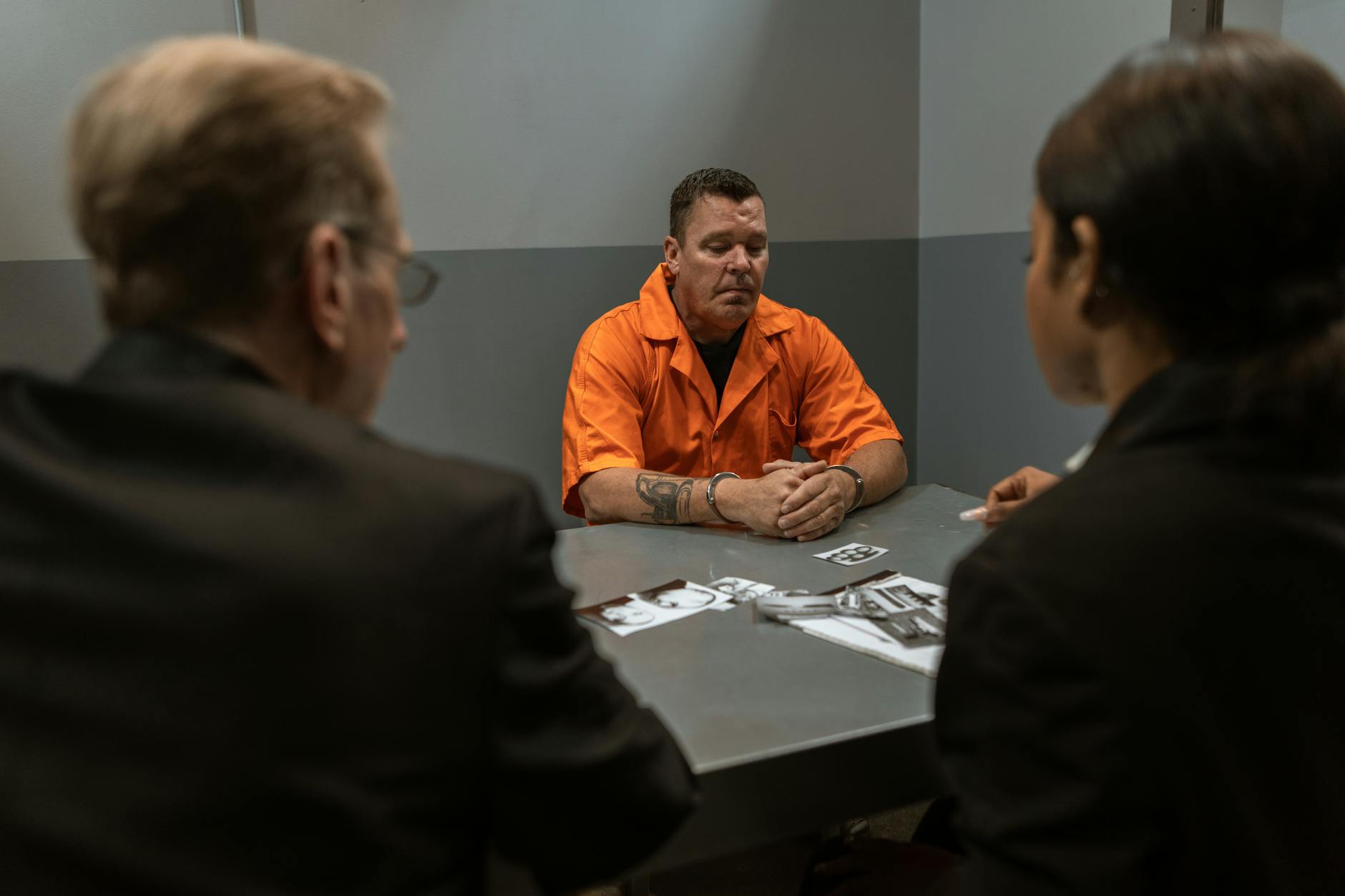
A Basha inquiry is a pre-trial hearing that allows the defence to question a prosecution witness before the full trial gets underway. The purpose is not to run a mini-trial. It's a focused examination designed to test whether the witness can give a fair and accurate account, particularly when there is a real question about their ability to do so. Courts in New South Wales and other Australian jurisdictions have recognised Basha inquiries as a necessary tool in complex criminal matters, and knowing when to seek one can be critical to mounting an effective defence.
Where the name comes from
The inquiry takes its name from the New South Wales Court of Criminal Appeal decision in R v Basha (1989) 39 A Crim R 337. In that case, the court confirmed that the trial judge has a discretion to allow the defence to examine a witness whose statement has been served but whose evidence raises genuine concerns about reliability or fairness. The Basha inquiry is not a creature of statute. It rests on the court's inherent power to ensure a fair trial.
The principle behind the decision is straightforward: the defence has the right to know, before opening addresses and before juries are empanelled, what a witness is actually going to say. If the version in the served statement is incomplete, inconsistent, or potentially exculpatory in ways the prosecution hasn't flagged, the defence needs that information before the trial is locked in.
When courts will grant a Basha inquiry
A Basha inquiry isn't granted automatically. The defence must apply for one and demonstrate to the judge that there is a legitimate basis to examine the witness pre-trial. Courts look at several factors when deciding whether to grant the application.
- Whether the witness's served statement appears inconsistent with earlier accounts they gave to police or investigators.
- Whether there is a reasonable basis to think the witness has information that hasn't been disclosed, including information that could assist the defence.
- Whether the witness's capacity to give a reliable account is in question, such as where the witness is a young child, has a cognitive impairment, or claims a loss of memory.
The threshold is not a low one. Courts won't allow a Basha inquiry simply because the defence wants an early look at the witness. There must be a concrete reason to think the inquiry is necessary to prevent unfairness at trial.
How the inquiry actually runs
A Basha inquiry is conducted before the trial judge, usually without the jury present. The witness is called and examined, most commonly by defence counsel. The prosecution can also ask questions. The proceedings are on the record, and the transcript becomes part of the court file.
What the defence is looking for varies by case. In some matters, the goal is to pin down the witness to a consistent account before the jury hears them. In others, the focus is on drawing out information the prosecution has not disclosed, or identifying whether the witness will say something at trial that contradicts what they told police months or years earlier. Inconsistencies uncovered during a Basha inquiry can later be used to cross-examine the witness before the jury.
The inquiry doesn't replace cross-examination at trial. It supplements it. Defence counsel still has a full opportunity to cross-examine at trial. The Basha inquiry is specifically about the pre-trial window, and courts keep it focused on that purpose.
Basha inquiries and the duty of disclosure
One of the most important contexts for a Basha inquiry is where the prosecution's disclosure obligations under the Criminal Procedure Act 1986 (NSW) may not have been fully met. The prosecution is required to serve all material that may assist the defence, not merely the evidence it intends to rely on. Where there is reason to think a witness holds information that hasn't been disclosed, a Basha inquiry gives the defence a mechanism to surface it before the trial begins.
This connects directly to the accused's right to silence and the broader principle that criminal trials must be conducted fairly. An accused person who doesn't know the full case they face cannot adequately answer it. Basha inquiries exist precisely to address that gap when it arises in relation to specific witnesses.
Practical implications for your defence
If you're facing a serious criminal charge and a key prosecution witness's account seems incomplete or inconsistent with what you know about the facts, a Basha inquiry may be worth pursuing. This is particularly true in matters involving:
- Child complainants in sexual assault proceedings, where earlier recorded interviews may differ from later statements.
- Co-accused who have turned Crown witness and whose account has shifted over the course of the investigation.
- Witnesses with diagnosed cognitive impairments or mental health conditions that may affect the reliability of their evidence.
Ann Valos Criminal Law handles serious criminal matters where pre-trial applications like Basha inquiries make a material difference. Ann Valos is an accredited criminal law specialist, and the firm's approach includes scrutinising prosecution evidence long before the trial date. Identifying the right procedural tool early, whether that's a Basha inquiry, a voir dire, or a no-bill application, is part of building a defence that actually works.
Basha inquiries in context
A Basha inquiry is one of a range of pre-trial mechanisms that allow the court and the parties to manage complex evidence before it reaches the jury. It sits alongside hearings on tendency and coincidence notices, fitness hearings, and voir dire applications, all of which serve the same overarching function: keeping the trial focused on evidence that is fair to admit and reliable enough to act on.
If you have concerns about a prosecution witness in your matter, raise them with your criminal lawyer as early as possible. Basha inquiries must be sought before the trial is too far advanced, and the opportunity to bring one can close quickly once the jury is empanelled.