
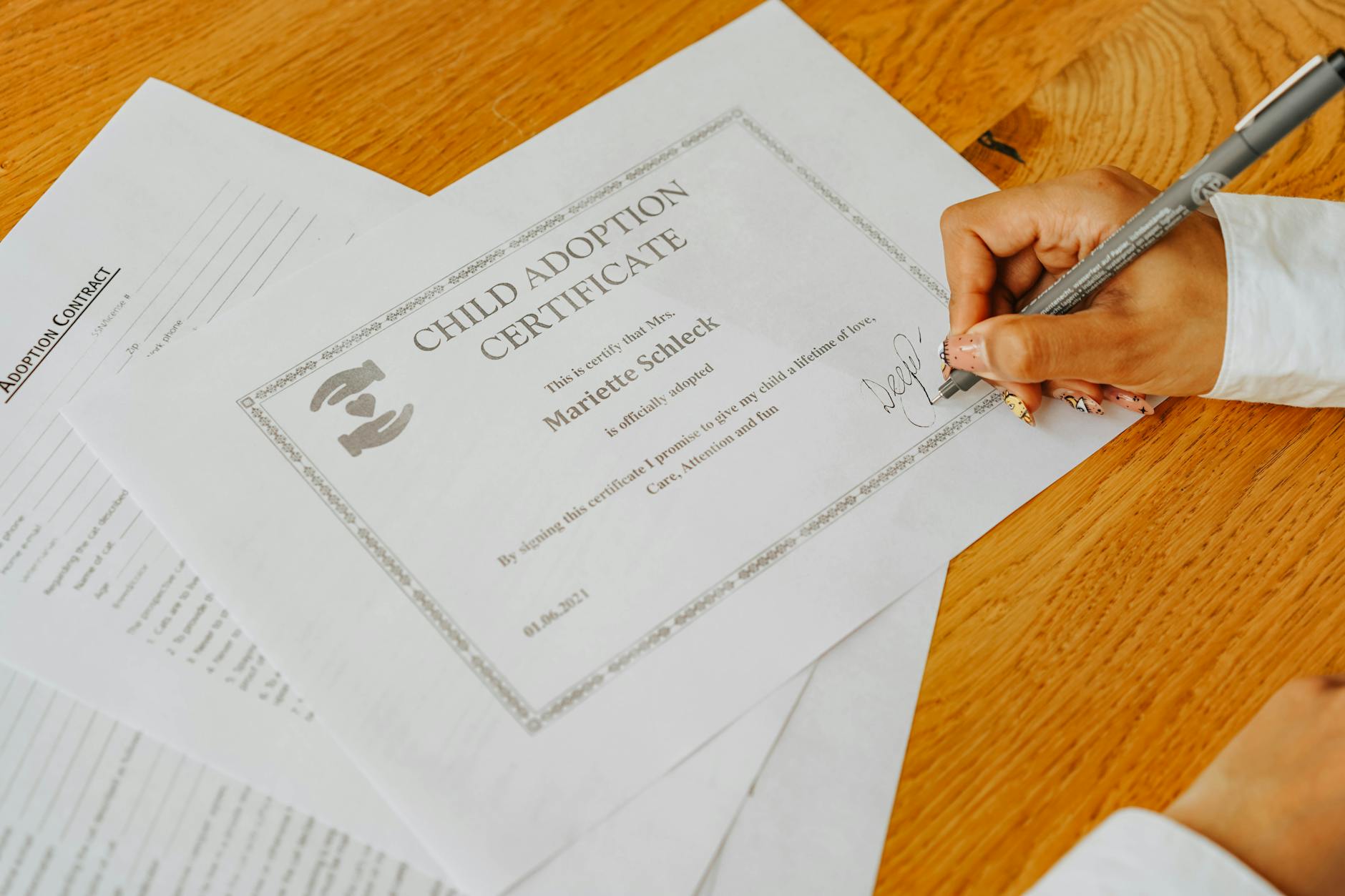
A certificate of pardon is one of the least-used but most significant mechanisms in Australian criminal law. It is a formal exercise of executive power that can relieve a convicted person of the legal consequences of their sentence, and in certain circumstances it goes further and sets aside the conviction itself. Ann Valos Criminal Law Specialist works with clients who ask about pardons after all other avenues have closed, and the honest answer is that the process is narrower than most people expect.
What a certificate of pardon actually does
A pardon does not erase history. It is not a declaration of innocence unless it is issued as a "free pardon," which is the rarest kind. Courts have confirmed this distinction repeatedly. The two forms that exist in Australian jurisdictions are:
- A conditional pardon, which substitutes a lesser penalty for the one imposed at sentence, or attaches conditions to the relief granted.
- A free pardon, which relieves the recipient of all penalties and is typically issued only where there is a serious doubt about guilt or where new evidence undermines the conviction.
Neither form automatically removes an entry from a criminal record. A free pardon comes closest to doing so, but in most jurisdictions a separate application is still required to have the record notation updated. This is a common misconception. People sometimes confuse a pardon with a spent conviction, which is a different mechanism that shields an old record from disclosure once a waiting period has elapsed.
Who has the power to grant one
In Australia, the power to grant a pardon sits with the executive, not the courts. In New South Wales, that power is vested in the Governor acting on the advice of the Executive Council, under section 76 of the Crimes (Administration of Sentences) Act 1999 (NSW). In practice, the Governor acts on advice from the Attorney General, who in turn acts on a recommendation following a formal review.
The Commonwealth has a parallel power under the Criminal Code Act 1995 (Cth) for federal offences. Each state and territory has its own legislative framework, so the precise process varies depending on where the conviction was recorded. Ann Valos Criminal Law Specialist advises clients to identify the correct jurisdiction before lodging anything, because a misdirected application simply wastes time.
The grounds most commonly accepted
Applications succeed on a narrow range of grounds. New evidence that was not available at trial is the most common basis. This includes DNA evidence that excludes the applicant, a key witness recanting sworn testimony, or a co-accused making admissions that contradict the original verdict. A significant legal error that was not corrected on appeal can also support an application, though this ground overlaps considerably with the separate process of petitioning for an inquiry into a conviction under the certificate of conviction framework.
Compassionate grounds form a third category. A terminal illness, extreme age, or exceptional personal circumstances can lead to a conditional pardon that releases a person from ongoing penalties, even without any challenge to the correctness of the conviction. These applications are assessed on humanitarian criteria rather than legal ones.
How the application process works in NSW
There is no prescribed form and no filing fee. The application is addressed to the Attorney General's Department and must set out the conviction details, the grounds relied upon, and all supporting material. The Department then conducts its own assessment, which may involve consulting the original trial file, seeking input from the NSW Police Force, and in some cases commissioning an independent review by a retired judge.
Timeframes vary enormously. A straightforward compassionate application may receive a decision within a few months. An application raising complex factual or scientific questions can take years. There is no statutory deadline on the executive to respond, which is a genuine limitation of the process. Applicants don't have a right of appeal if the application is refused, though a fresh application on new grounds is not prohibited.
How a pardon differs from an appeal
This is the question Ann Valos Criminal Law Specialist is asked most often. An appeal is a judicial process. A court reviews whether the original proceedings were legally correct and has the power to quash a conviction and order a retrial or enter an acquittal. A pardon is an executive act. It does not quash the conviction; it relieves the consequences. Because of this, appeals are almost always the preferred route when one remains available. A pardon is typically a last resort after appeal rights have been exhausted or a new conviction inquiry has been declined.
People whose conviction has been recorded should also understand how sentencing outcomes interact with post-conviction processes. A custodial sentence can be cut short by a conditional pardon if the executive is satisfied that continued imprisonment is unjust, but the conviction itself remains on the record until a free pardon is issued or a court quashes it on appeal.
What a pardon cannot do
A pardon cannot restore a professional licence that was revoked as a consequence of conviction. Licensing bodies such as the Law Society of New South Wales and health practitioner boards operate under separate statutory regimes. A pardon ends the criminal consequences, not the regulatory ones. Similarly, if a conviction triggered a firearms prohibition order or a sex offender registration obligation, those measures persist unless separately challenged.
A pardon also cannot substitute for proper legal advice given early in a matter. The best outcome in most criminal proceedings is to avoid an unsafe conviction in the first place, which is why expert representation from the outset is always the priority. By the time a pardon becomes the subject of discussion, the window for the strongest procedural options has usually closed.
Seeking advice
Ann Valos Criminal Law Specialist has over 15 years of experience advising clients across the full spectrum of criminal proceedings, including post-conviction matters. If you or someone close to you is considering a pardon application, or wants to understand whether an appeal or an inquiry into conviction is a better pathway, Ann Valos Criminal Law Specialist can assess the position and give frank advice on which route has the best prospects.