
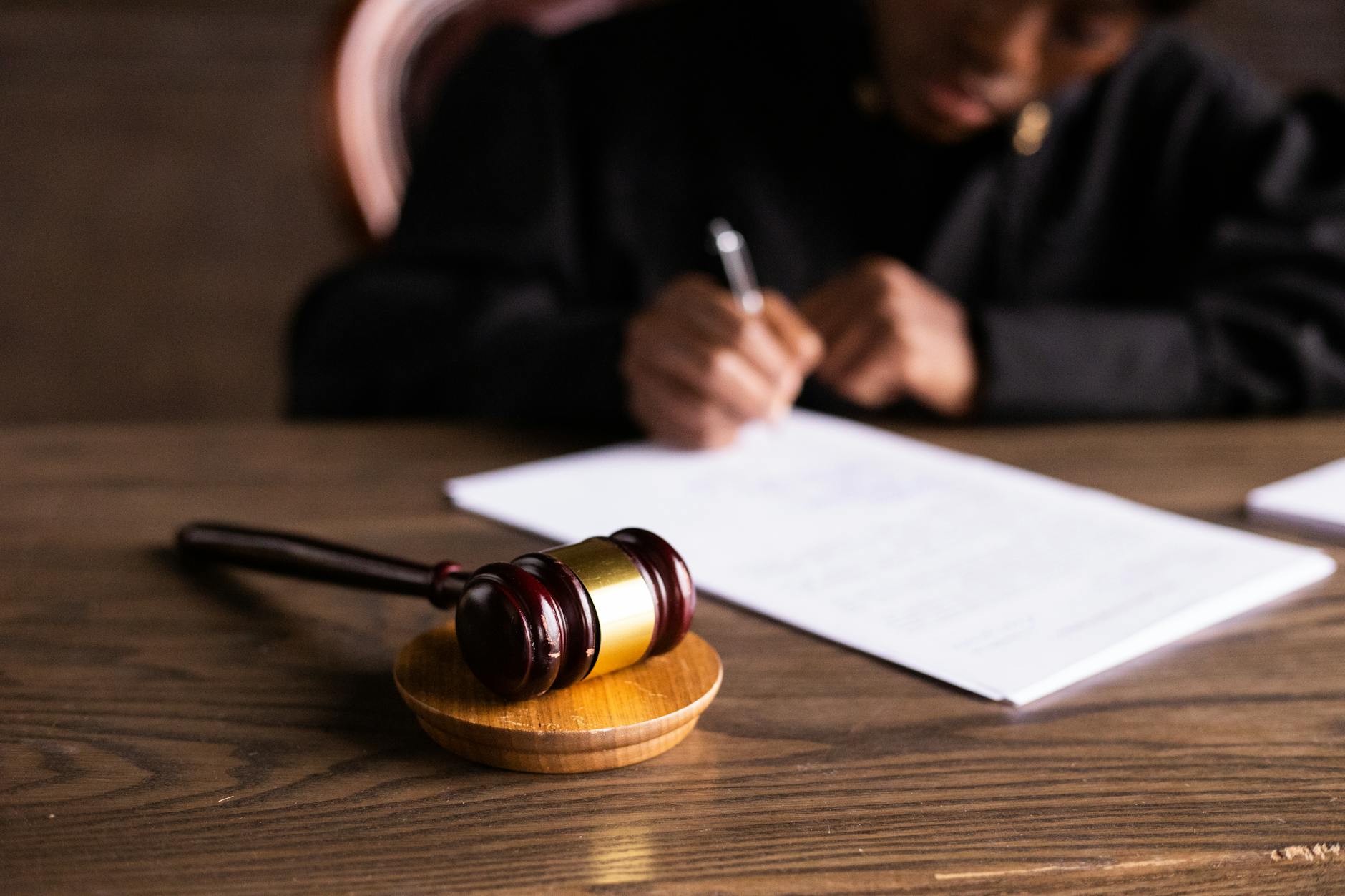
A judge-alone trial is a criminal trial where a single judge determines both the facts and the verdict, without a jury. In most Australian states, the accused must apply for this arrangement, and the prosecution's consent or the court's approval is required. It isn't an automatic right, and courts don't grant applications lightly. Knowing how the process works is essential before you or your lawyer decide to pursue it.
Which states allow judge-alone trials?
The availability of judge-alone trials varies across Australian jurisdictions. New South Wales permits them under the Criminal Procedure Act 1986 (NSW), specifically Part 4A. South Australia, Western Australia, and the Australian Capital Territory also allow judge-alone trials in defined circumstances. Victoria does not have a general judge-alone provision for serious criminal trials, though there are limited exceptions. Queensland similarly has a narrower framework than NSW.
In NSW, the accused person makes the application. The court must be satisfied that a fair trial is more likely to result. Prosecution consent was previously required under the old regime, but legislative amendments shifted the balance: the court now has discretion to grant the order without prosecution agreement, provided it considers the interests of justice.
Why would an accused choose a judge-alone trial?
There are practical reasons a defence team might prefer a judge to a jury. Complex financial cases with dense documentary evidence can be harder for a jury to absorb over weeks of proceedings. A judge sits with the evidence every day, asks pointed questions, and delivers a written verdict that explains the reasoning in full. That written reasoning matters: it can form the basis of an appeal if something goes wrong.
Pre-trial publicity is another factor. If an offence has attracted heavy media coverage, a defence lawyer might worry that jury members carry unconscious bias despite directions from the bench. A judge is trained to compartmentalise and discount irrelevant material. The concern isn't hypothetical: notorious cases in NSW have prompted applications on this exact ground.
Some accused people feel exposed by the dynamic of twelve strangers deciding their fate on credibility alone. Where the facts are largely agreed and the dispute is a narrow question of law, a judge-alone setting can cut through the noise. It's not always the right call, but in the right case it's a legitimate strategic tool.
What the court considers when deciding an application
A court assessing a judge-alone application in NSW looks at several things. The nature and complexity of the charges matter. So does whether the trial involves issues likely to provoke emotional reactions in jurors that a judge would handle differently. The length of the anticipated trial can also weigh in favour of a judge-alone order when the matter is expected to run for months.
The court will not grant the application simply because the accused prefers it. The test is whether a judge-alone trial is in the interests of justice. Courts have refused applications where the real purpose appeared to be forum shopping rather than genuine concern about a fair hearing.
Defence lawyers familiar with the concept of a directed verdict will recognise a parallel logic: both mechanisms reflect the idea that a judge can, in the right circumstances, provide a more reliable check on the outcome than a jury deliberating in private.
How a judge delivers the verdict
At the conclusion of a judge-alone trial, the judge delivers a written judgment. This is different from a jury's general verdict of guilty or not guilty, which comes with no reasons attached. The written judgment sets out the factual findings, the credibility assessments, and the legal conclusions that led to the result. This transparency is both a strength and a risk.
It's a strength because an accused who is convicted has a documented record of the judge's reasoning to scrutinise on appeal. It's a risk because any error in the judge's legal analysis is plainly visible, and so is any weakness in the defence's evidence. There's nowhere for a borderline finding to hide inside a jury room.
The verdict itself carries the same legal force as a jury verdict. A conviction results in a sentencing hearing, and the evidence and submissions at that stage proceed in the usual way. Understanding what happens at a sentencing hearing in Australia is equally important once the trial phase ends.
Common misconceptions about judge-alone trials
A persistent misconception is that judges are more lenient than juries, or vice versa. There's no reliable data to support either direction as a blanket proposition. Acquittal and conviction rates in judge-alone trials depend on the evidence, not the forum. A judge who finds a prosecution witness credible will say so plainly and explain why. That outcome can be harder for an accused to accept than an unexplained jury verdict.
Another misconception is that the process is faster. In practice, a judge-alone trial often covers the same witnesses and exhibits as a jury trial. The absence of jury empanelment, jury directions, and jury deliberation removes some time, but a complex matter still takes as long as the evidence requires.
Finally, some people assume that applying for a judge-alone trial signals weakness or guilt. Courts don't draw that inference, and neither should the accused. It's a procedural election available under statute. Defence lawyers weigh it against the specific facts of the matter, not as a general preference.
When to discuss this option with your lawyer
The decision to apply for a judge-alone trial should be made early, before the matter is listed for hearing. An application made at the last moment can prejudice the preparation of both sides and is less likely to succeed. Your lawyer needs time to assess the nature of the evidence, the likely jury pool issues, and whether a written judicial verdict would benefit or harm the defence position.
Ann Valos Criminal Law has more than 15 years of experience handling serious criminal matters in NSW. Ann Valos is an accredited criminal law specialist, and the firm's team brings over 30 years of combined experience across exactly the kind of complex matters where a judge-alone application deserves careful analysis. If you're facing charges and want to understand all available procedural options, speak to the team before your next court date.