
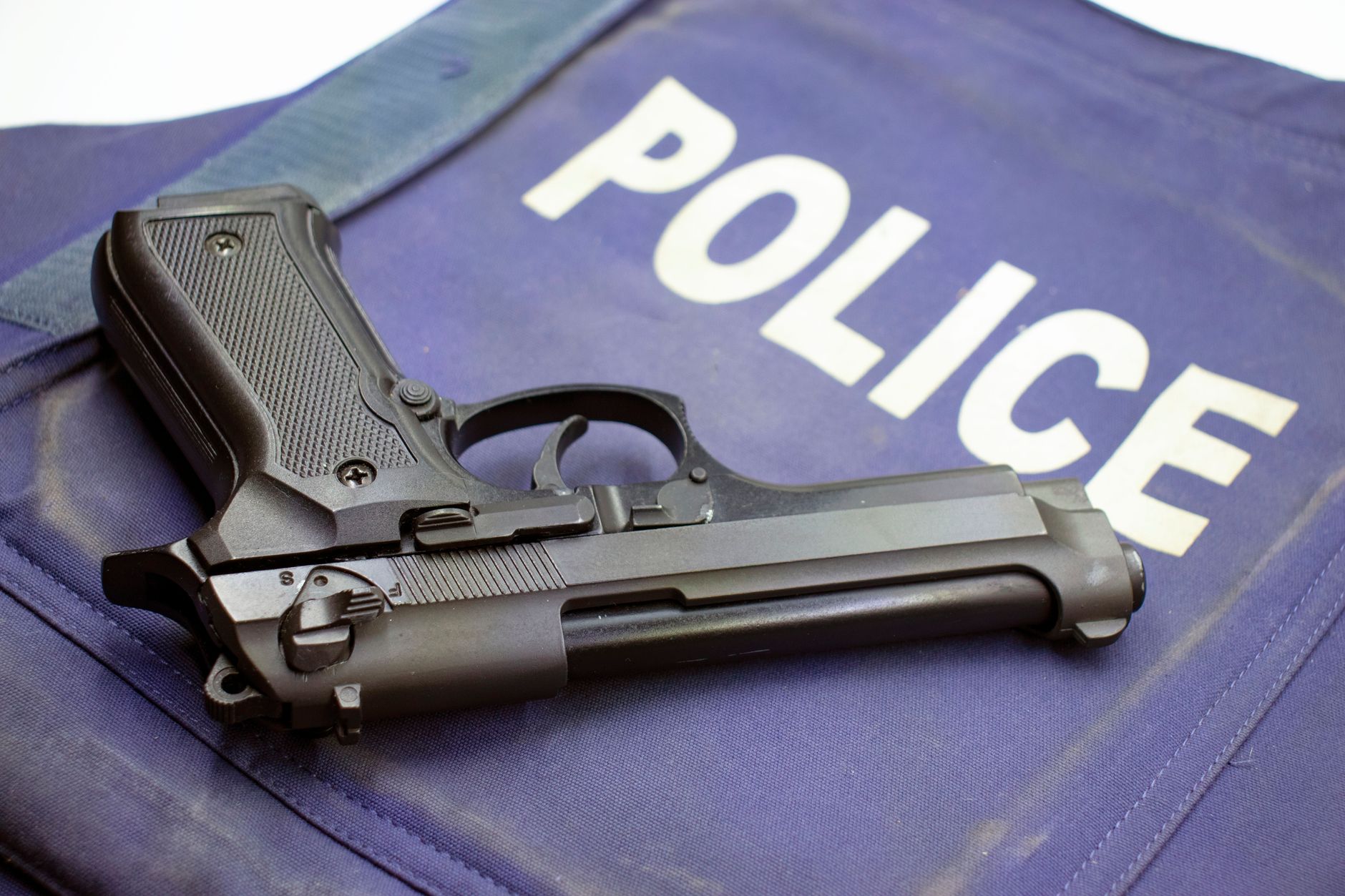
Weapons charges in Australia encompass a broad range of conduct, from carrying a prohibited knife to possessing an illegal firearm. The consequences can be severe, including lengthy terms of imprisonment, and the laws governing weapons are among the most strictly enforced in the country. Whether you are facing a charge at the summary level or a serious indictable matter, understanding what the law requires and what your defence options are is essential from the outset.
What counts as a weapons offence in Australia?
Australian weapons law is governed primarily at the state and territory level, but the categories of offending follow broadly similar patterns across jurisdictions. The most common weapons offences include:
- Unlicensed possession of a firearm: owning or carrying a firearm without the required licence or permit.
- Possession of a prohibited weapon: possessing items such as knives, crossbows, tasers, or certain other implements that are classified as prohibited regardless of licence status.
- Carrying a weapon in a public place: having a weapon on your person or within reach in a public setting without lawful excuse.
- Supplying or trafficking weapons: selling, gifting, or otherwise transferring weapons, particularly prohibited firearms, to others.
- Using a weapon to commit another offence: aggravated charges that arise when a weapon is used in the course of a robbery, assault, or other criminal act.
The specific prohibited categories, applicable penalties, and licensing requirements differ between New South Wales, Victoria, Queensland, and other jurisdictions, so the precise charge you face will depend on the state or territory where the alleged conduct occurred.
How are weapons charges prosecuted?
The seriousness with which a weapons charge is prosecuted depends largely on the nature of the weapon involved and the circumstances of the alleged offending. Simple possession of a prohibited knife found during a police search will typically be heard in a Local Court and may attract a fine or a relatively short term of imprisonment. Possession of a prohibited firearm, particularly a semi-automatic or military-style weapon, is treated as an extremely serious matter and is usually prosecuted on indictment in a higher court.
Prosecutors will generally focus on several key elements: whether you knew the item was a weapon or prohibited, whether you had possession or control of it, and whether any lawful excuse or exemption applies. This last point is significant. Certain categories of people, including firearms dealers, licensed shooters, law enforcement, and some tradespeople, may have lawful authority to possess items that would otherwise be prohibited. Establishing a lawful excuse is one of the first things a specialist criminal lawyer will examine.
Penalties for weapons offences
Penalties for weapons offences in Australia vary considerably depending on jurisdiction, offence type, and the circumstances of the individual case. As a general guide:
- Carrying a prohibited weapon without lawful excuse in New South Wales can attract a maximum penalty of 14 years imprisonment under the Weapons Prohibition Act 1998 (NSW) for the most serious categories.
- Possession of an unregistered firearm carries a maximum of five years imprisonment in many jurisdictions, increasing significantly for prohibited firearms.
- Trafficking in prohibited firearms can attract maximum penalties exceeding 20 years imprisonment in some states.
- Where a weapon is used during the commission of another offence, such as an armed robbery, the weapons element will typically compound the overall sentence significantly.
Courts also have discretion to impose non-custodial orders, including good behaviour bonds, community service, and fines, particularly for first-time offenders facing minor possession charges. However, this is far from guaranteed, and the presence of prior convictions, the type of weapon, and any aggravating circumstances will all be weighed carefully. Understanding conviction rates across different offence types can give you a clearer sense of the risks you face.
Common defences in weapons cases
Every weapons case turns on its own facts, and a thorough early review by a specialist lawyer is critical. Some of the most frequently raised defences include:
- Lack of knowledge: demonstrating that you were unaware the item was a weapon or that it was in your possession, for example if it was found in a vehicle you shared with others.
- Lawful excuse or exemption: establishing that you held a relevant licence, permit, or had another recognised legal authority to possess the item.
- Duress or necessity: in exceptional circumstances, showing that you carried the item only because of a genuine and immediate threat to your safety.
- Unlawful search or seizure: challenging the admissibility of evidence obtained through a search that breached your rights under the relevant legislation or the Law Enforcement (Powers and Responsibilities) Act 2002 (NSW).
- Identification issues: particularly relevant in cases where weapons were found at a shared address or location rather than directly on your person.
Why specialist legal advice matters
Weapons charges sit among the more technically complex areas of criminal law. The relevant legislation is detailed, the categories of prohibited items can be counterintuitive, and the line between a lawful exemption and a criminal offence is sometimes narrow. Engaging a lawyer who works exclusively in criminal law, rather than a generalist practitioner, gives you the best chance of identifying every available defence and presenting your case effectively at every stage.
A specialist will also understand the local court culture and the prosecutors and judicial officers likely to be involved in your matter. That practical knowledge, built over years of appearing in the courts that will hear your case, can be just as valuable as technical legal expertise. If you are also dealing with allegations involving violence, it is worth reading about what to look for in an assault lawyer, as weapons and assault charges frequently arise together and require a coordinated defence strategy.
What to do if you are charged
If you are charged with a weapons offence, the steps you take in the early stages can have a lasting effect on your case. You have the right to remain silent when questioned by police, and exercising that right until you have spoken with a lawyer is almost always advisable. Anything you say to police can be used against you, and even seemingly innocent explanations can create difficulties at trial if they are inconsistent with the defence your lawyer later develops.
Contact a criminal law specialist as soon as possible after being charged or even after becoming aware that you are under investigation. Early engagement gives your lawyer the opportunity to review the police brief, advise on bail if necessary, and begin building your defence before evidence becomes harder to locate. The team at Ann Valos Criminal Law includes accredited specialists with extensive experience in weapons matters across New South Wales and beyond.
Weapons charges are serious, but they are not insurmountable. With the right legal representation, many clients achieve outcomes far better than they expected at the outset.